El Niño Rains Transform Atacama Desert into Historic Wildflower Super-Bloom
Unusually heavy winter rains driven by El Niño have triggered what may be the most extensive 'flowering desert' bloom in the satellite era across Chile's Atacama Desert.
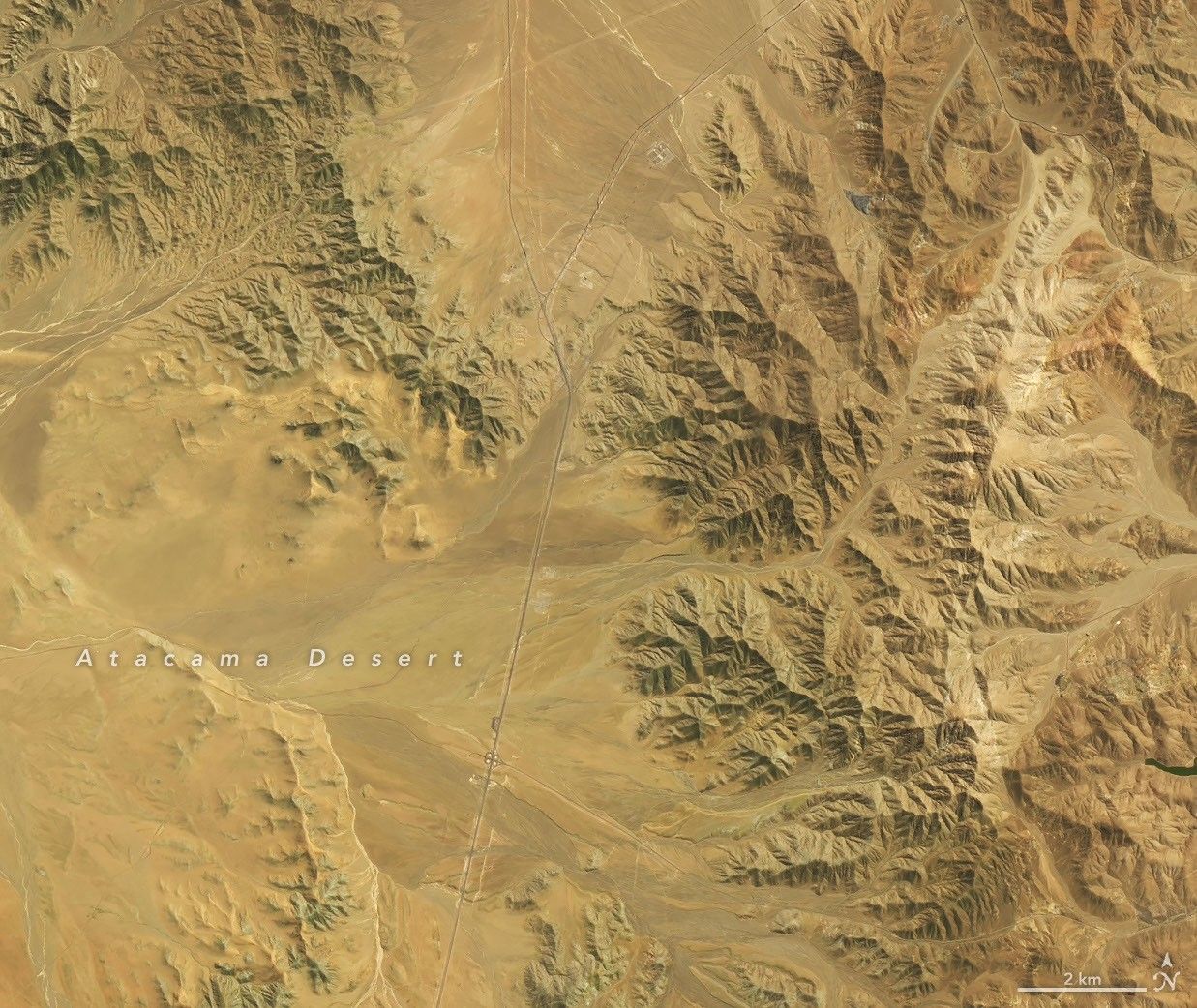
- El Niño rains transformed the Atacama Desert into an estimated 17,000-square-kilometer wildflower bloom featuring over 200 plant species in 2026.
- Certain locations in the Atacama received 160 to 190 millimeters of precipitation, marking record highs according to CONAF biologist César Pizarro.
- NASA's Landsat 8 and Landsat 9 satellites captured the progression of the desert flowering in September and October 2026.
- The National Tourism Secretariat projected nearly 300,000 overnight trips to the region during the bloom period ending in November 2026.
Parts of the Atacama Desert in northern Chile, recognized as one of the driest nonpolar regions on Earth, burst into vibrant red-purple, green, and white hues during the austral spring of 2026 12. According to scientists, the transformation followed an unusually wet winter characterized by heavy rainfall and rare snowfalls 12.
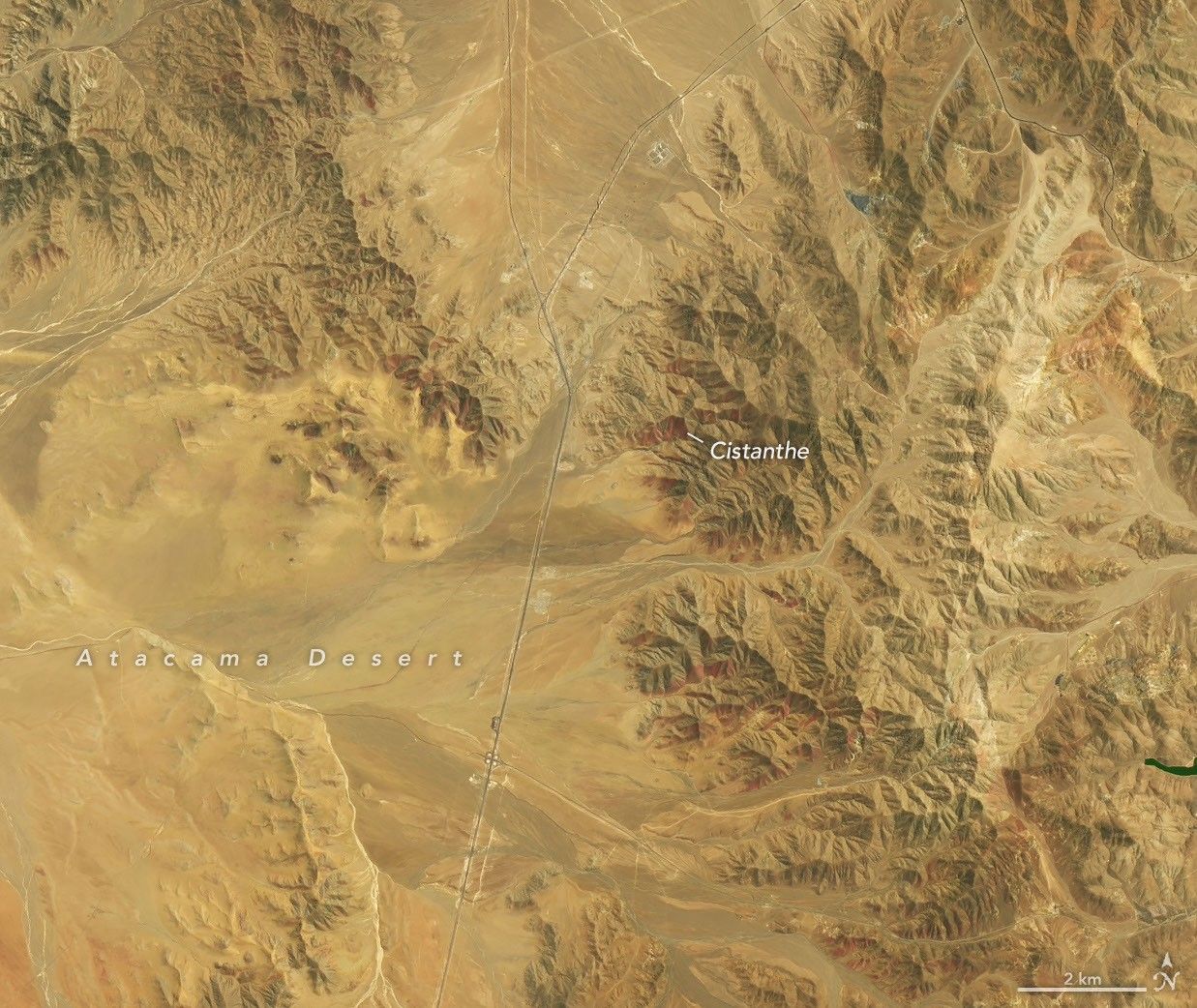
The precipitation woke dormant seeds lying in the soil, initiating what researchers project to be the most extensive desierto florido (flowering desert) of the satellite era 1. The meteorological shift was driven by a strengthening El Niño in the tropical Pacific, which weakened the subtropical Pacific high normally keeping the region dry and pushed the Southern Hemisphere storm track equatorward 1.
Beginning in mid-July, storm fronts fed by an atmospheric river brought some of the heaviest July rainfall in decades across Chile, stretching from the Atacama down to Los Lagos, according to the Dirección Meteorológica de Chile 1. Subsequent winter storms in August brought rare snow to parts of the desert 1.
CONAF Atacama biologist César Pizarro reported that certain locations received between 160 to 190 millimeters of rain, marking the largest volumes since record-keeping began 2. Satellite data from NASA's Landsat 8 and Landsat 9 operational land imagers documented the progression of the blooms, which spanned an estimated 17,000 square kilometers and featured more than 200 plant species 12.
Researchers from the Pontificia Universidad Católica de Valparaíso, including Roberto Chávez and Andres Moreira-Muñoz, identified prominent blooms such as the red-purple pata de guanaco (Cistanthe longiscapa or other Cistanthe species) near Copiapó and white-capped suspiros (Nolana species) on surrounding hillsides 1.
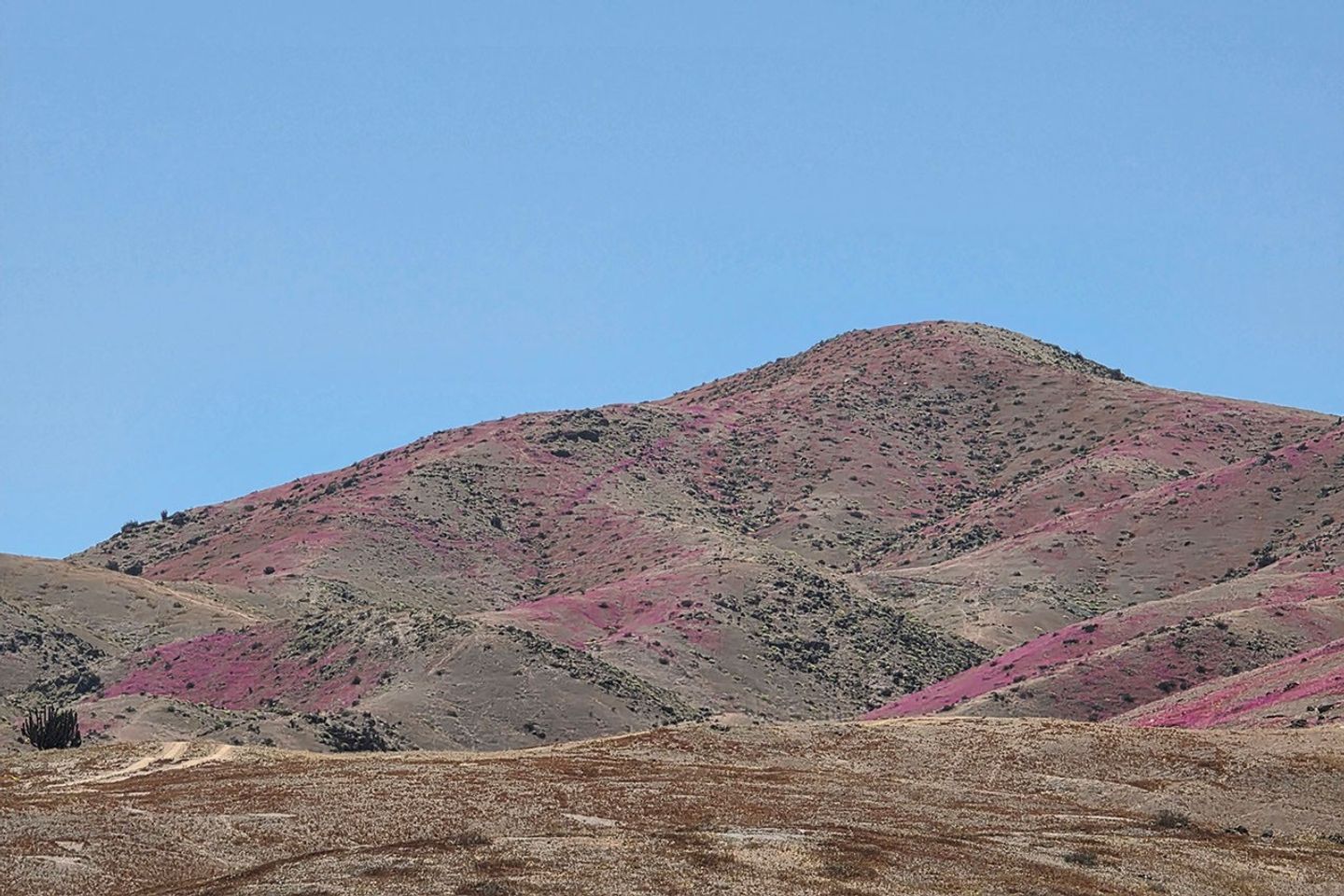
The National Tourism Secretariat projected that the bloom would draw nearly 300,000 overnight tourist trips by its conclusion in November 2. NASA historical data from 1981 to 2015 previously identified 13 greening events, illustrating that these widespread blooms occur infrequently 2.
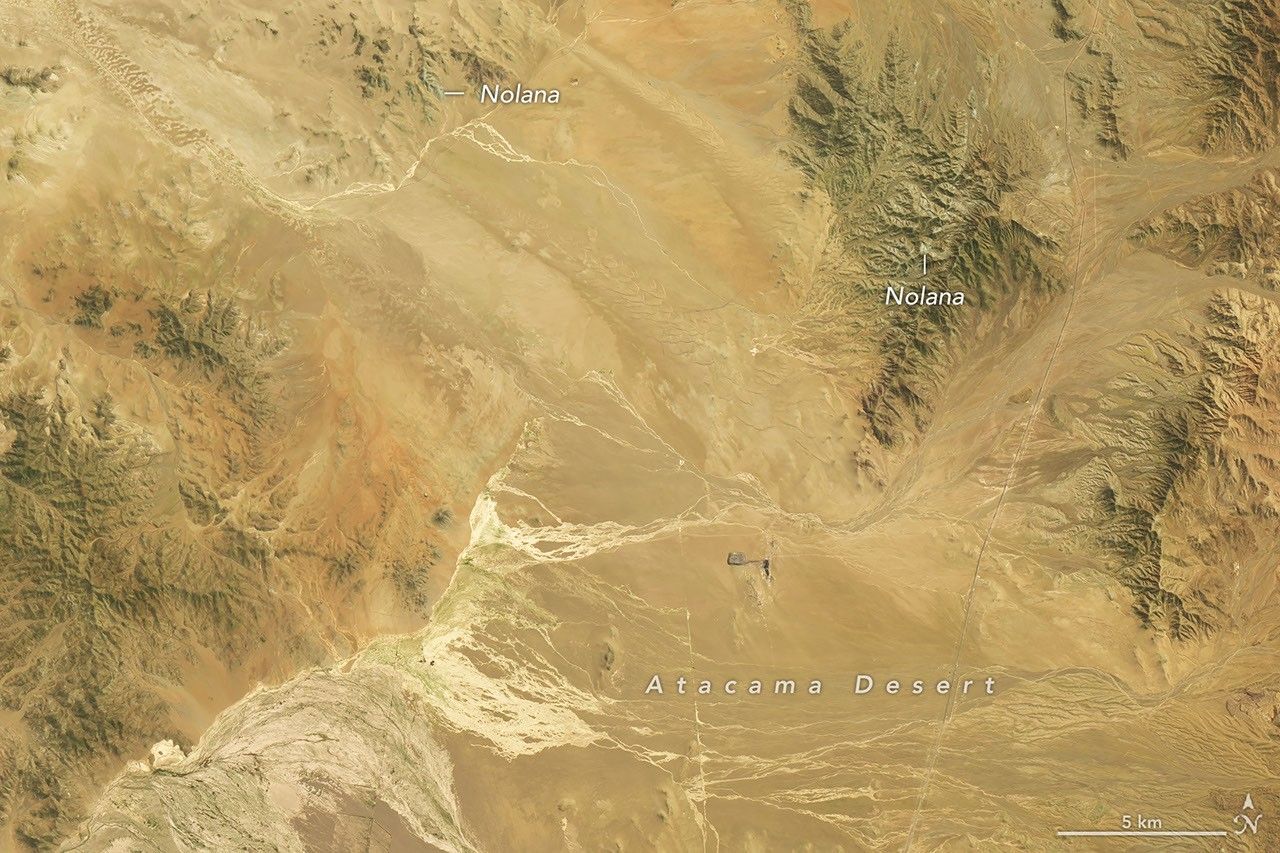
The Atacama Desert lies between the Pacific Ocean and the Andes Mountains, experiencing extreme aridity due to a strong rain shadow and cold coastal ocean currents that limit moisture.
Researchers plan to utilize spatial satellite data to map biodiversity changes over time to inform future land-use planning and conservation management .
Written with AI from the cited sources and checked against them. Open the sources to verify.