US Pentagon Official Sparks Allied Discord at Ramstein Over Long-Range Ukrainian Strikes
US Deputy Under Secretary of Defense Elbridge Colby abruptly exited a Ramstein coalition meeting after questioning the military utility of Ukrainian deep strikes inside Russia, triggering sharp rebukes from European counterparts.
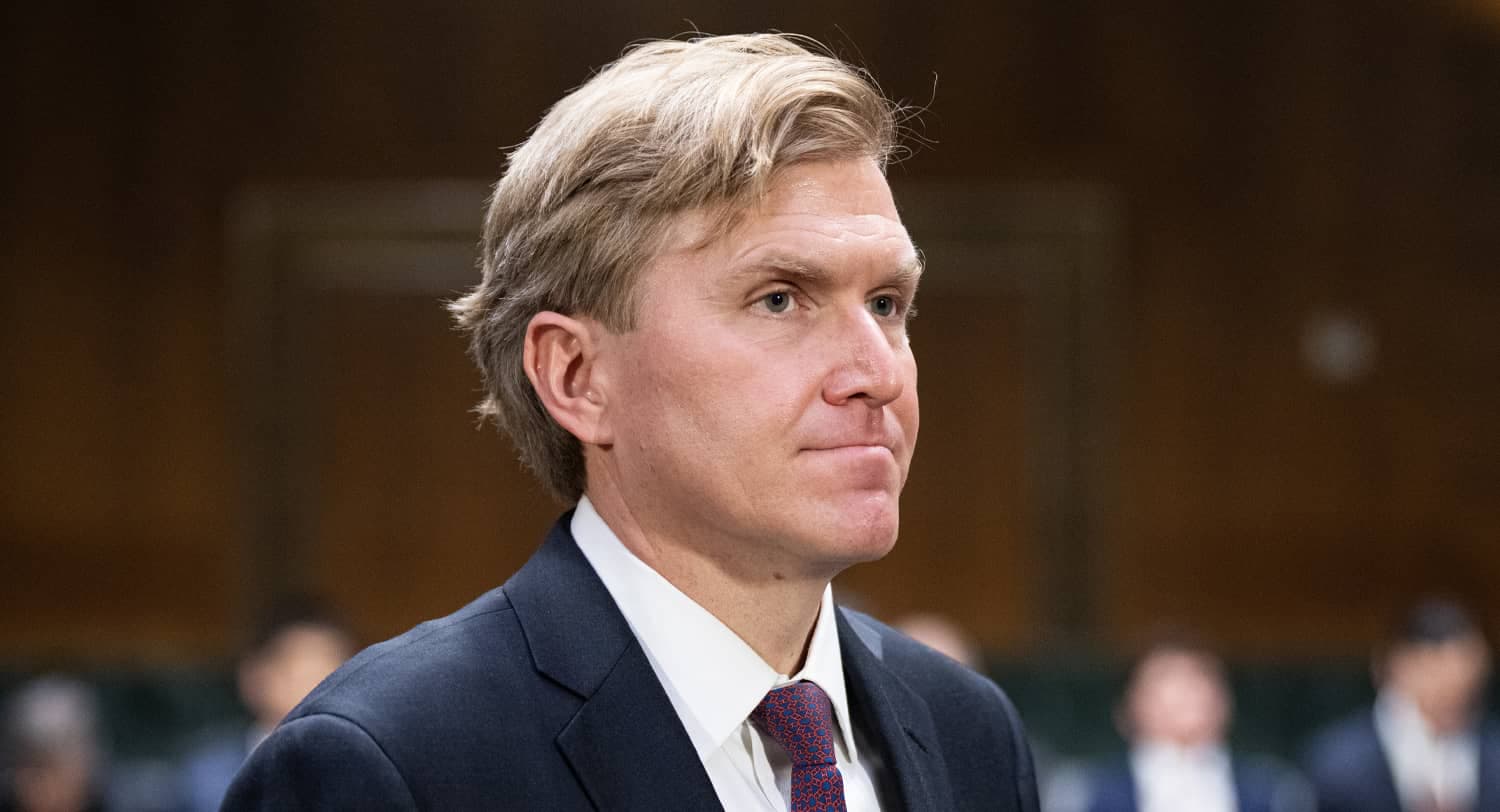
Tensions Flare at Brussels Defense Meeting
A sharp diplomatic rift emerged during the Ukraine Defense Contact Group meeting in Brussels on 17 November 2026, when US Deputy Under Secretary of Defense for Policy Elbridge Colby openly challenged Ukraine's strategic campaign inside the Russian Federation 12. Sources told The Telegraph, reported by Yevropeiska Pravda and Ukrainian media, that during the tense session, Colby criticized Kyiv for conducting deep strikes into Russian territory, arguing that the attacks offered negligible military value 123. Following his remarks, the Pentagon official departed the meeting prematurely, declining to attend a closed-door operational briefing delivered by Ukrainian Defense Minister Yevhenii Khmara 123.
Colby's rapid exit prompted concerns among European defense delegations 13. German sources quoted by The Telegraph voiced apprehension that the administration of US President Donald Trump appeared to be aligning with Russian narratives at the expense of Ukraine and its European allies 13. One German source in attendance stated that Colby argued Washington opposed deep strikes because it viewed them as ineffective at bringing an end to the war or deterring Russian battlefield advances 2.
Contradictory Accounts Over Colby's Early Exit
Accounts surrounding the motivation and timing of Colby's departure diverged among participants. An attendee in the conference room reported that Colby exited as soon as media members were cleared from the hall, leaving US Ambassador to NATO Matthew Whitaker to represent the United States for the duration of the summit 12. US representatives claimed that Colby needed to depart early to catch a scheduled flight from a nearby airport 123.
However, attendees observed that prior to departing for the airport, Colby conducted a press conference in the atrium of NATO headquarters around 17:00 local time 123. Allied participants characterized the timing critically. One source claimed that Colby was effectively isolated in the room, asserting that the US was the only delegation backing the Russian narrative over that of Ukraine and coalition partners 12. Another German representative argued that limiting Ukraine's focus to frontline skirmishes would strip Kyiv of operational tools needed to deter Russian strategic progress 12.
European Allies Mount Defense of Kyiv's Strategy
European ministers forcefully pushed back against the US position, defending Ukraine's deep-strike targeting of logistics hubs and manufacturing assets 12. German Defense Minister Boris Pistorius stated that criticism should focus on Russian attacks targeting Ukrainian civilians rather than Ukrainian strikes against Russian military assets 1. European officials also described Colby's position as ironic, pointing to Washington's own historical reliance on deep strikes during its military operations against Iran 123. A German official questioned how American leaders could execute deep strikes in Iran while censuring a nation defending itself against an unprovoked invasion 123.
British Defense Secretary Wes Streeting concurred with Pistorius, arguing that deep strikes inside Russia systematically wear down the Kremlin's war apparatus, preserve allied resources, and buy time 123. Streeting referenced Ukraine's recent operations against the Kerch Strait Bridge—a critical logistics artery linking mainland Russia with occupied Crimea—as evidence of Ukraine's ingenuity and resolve 12. Ukrainian strikes had damaged the Crimean Bridge on 16 and 17 November, followed by an announcement from Minister Khmara emphasizing that deep-strike operations against critical infrastructure were expanding 2.
Coalition Repercussions and Future Policy
The standoff at Ramstein highlights widening tactical divergences between Washington and its European counterparts concerning Ukraine's campaign parameters 13. While European governments such as Germany and the UK view cross-border strikes against Russian refining facilities and supply lines as essential counter-offensives, current US executive policy favors limiting the theater strictly to the immediate line of contact 12. Observers will monitor whether future Contact Group sessions bridge this divide, particularly as European defense leaders seek to maintain uninhibited weapon use and coordinate joint air-defense packages like combining IRIS-T systems with NASAMS 3.
Written with AI from the cited sources and checked against them. Open the sources to verify.