Japan's Fugaku Supercomputer Suffers Data Breach, Exposing Over 4,000 Accounts
Japan's national research institute Riken reported a suspected data breach on the Fugaku supercomputer, potentially compromising personal data and authentication details for over 4,000 users.
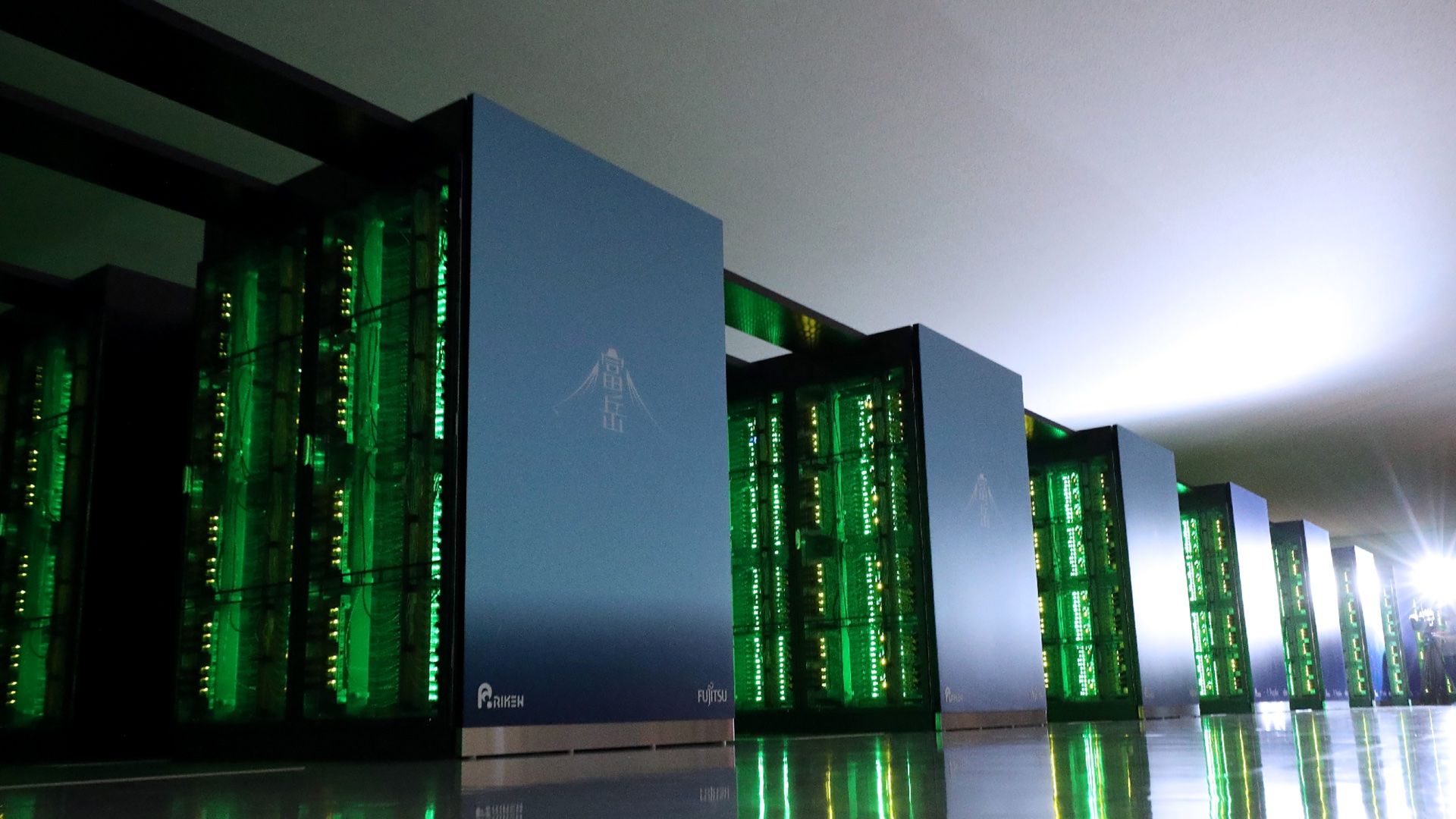
Fugaku, Japan's most powerful supercomputer and the ninth-fastest globally, has suffered a suspected data breach that potentially exposed personal information belonging to more than 4,000 users 1. Operated by Japan's national research institute Riken, the supercomputer system also experienced a potential leak affecting 375 users of Riken's Rikyu AI supercomputer 1. The compromised information includes names, email addresses, research files, and authentication details used to access the supercomputers and associated services 1. ## Investigation and Discovery According to reports from The Japan Times, operators first detected suspicious communications on November 12, prompting an immediate investigation that confirmed unauthorized access and led to a blocking of system access by November 14 1. Investigators identified that hackers leveraged the supercomputer's externally accessible operational status dashboard as a springboard for the intrusion between November 10 and November 13 1. While the full vector of the breach remains under review, Riken confirmed that unauthorized software had been installed on certain servers 1. ## Official Response and Context Following the discovery, Riken notified Japan's Ministry of Education, Culture, Sports, Science and Technology (MEXT) 1. Chief Cabinet Secretary Minoru Kihara confirmed that MEXT and Riken are collaborating on an investigation to determine the full scope of the breach 1. Kihara emphasized the need to prioritize security while limiting the impact on research activities, given Fugaku's vital role in the national research and development infrastructure 1. Housed at Riken's Center for Computational Science in Kobe, Fugaku officially commenced operations in March 2021 after being developed alongside Fujitsu at a cost of approximately ¥130 billion (around $817 million in 2026) 1.
Written with AI from the cited sources and checked against them. Open the sources to verify.